To learn how to become a public adjuster, you need to follow a series of steps including understanding the role, fulfilling educational requirements, obtaining a license, and gaining necessary certifications. This guide will break down each step to help you start your journey.
Key Takeaways
- Public adjusters advocate for clients in insurance claims, necessitating skills in investigation, negotiation, and financial analysis.
- Aspiring public adjusters should pursue relevant degrees and gain industry experience, as well as understand varying state licensing requirements.
- Continued education and certifications, such as Xactimate and SPPA, enhance a public adjuster’s expertise and career prospects.
Understanding the Role of a Public Adjuster
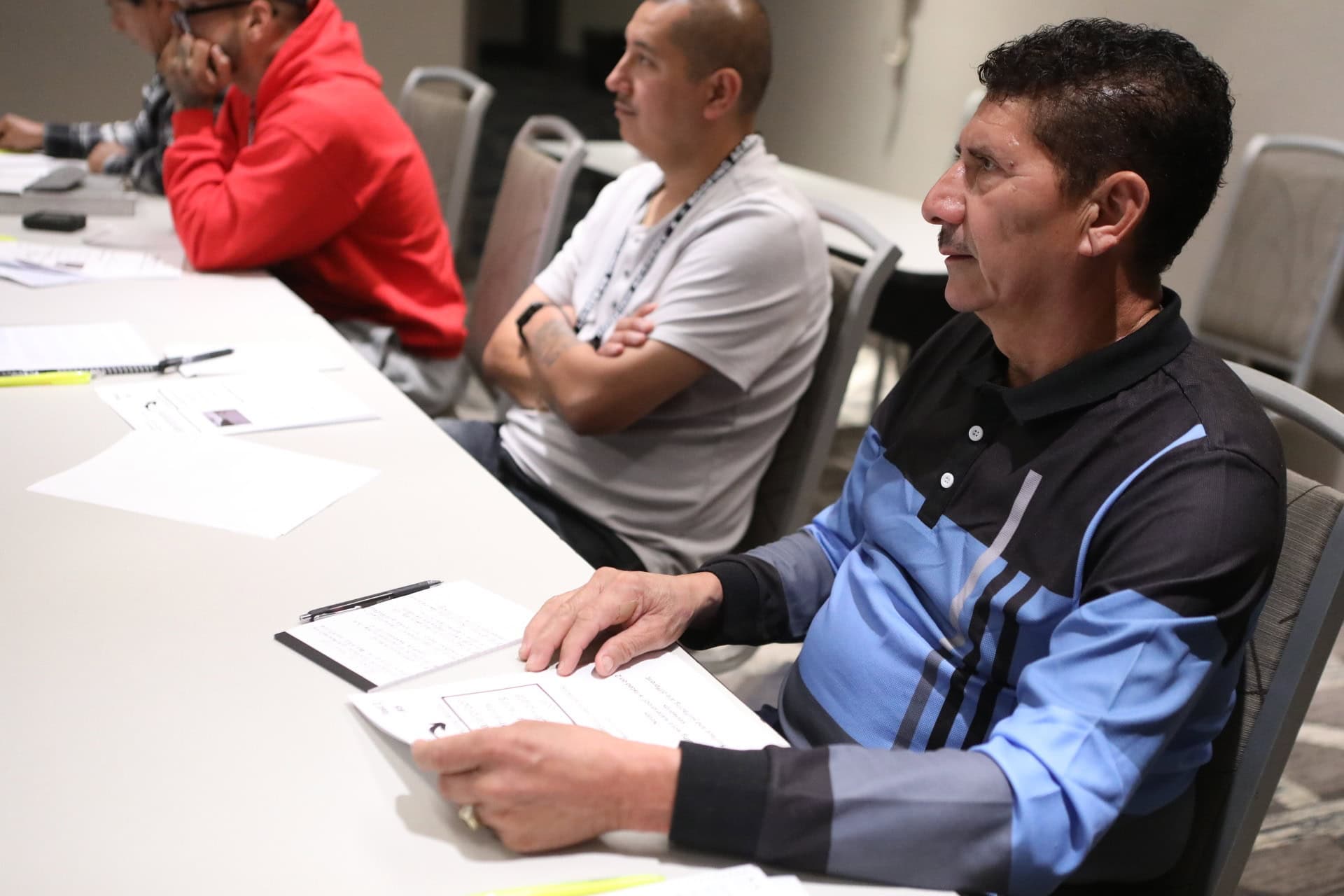
Public adjusters are the unsung heroes who represent clients in their insurance claims, ensuring full compensation for losses incurred. Unlike claims adjusters who work for insurance companies, public adjusters work for insurance policyholders, whether an individual or a business, making sure their interests are protected. This distinction is crucial as it highlights the public adjuster’s role in balancing the scales of justice in the insurance world, alongside the independent adjuster and the insurance adjuster, especially when navigating a public adjuster contract.
The primary responsibilities of a public adjuster include investigating, evaluating, and negotiating claims. These tasks require critical thinking, sharp observational skills, and robust financial accounting knowledge. Articulating findings and negotiating with insurance companies are essential communication skills for public adjusters. Their compensation typically comes as a percentage of the claim payout, aligning their success with that of their clients.
Excelling as a public adjuster requires a diverse skill set. Critical thinking, financial acumen, interpersonal skills, and observational abilities are all essential. A successful adjuster must be a keen investigator, skilled negotiator, and relentless advocate for clients.

READY TO JUMPSTART YOUR Public Adjuster CAREER?
Getting started today is easy, sign up for your exam prep class today and let our experienced instructors walk with you every step of the way.
Educational Requirements for Public Adjusters
A solid educational foundation is crucial for aspiring public adjusters. While a high school diploma is certainly helpful for entry-level positions, it is not currently required. Further education greatly enhances job prospects and performance. Grasping various insurance claim types and key terms is fundamental.
While not mandatory, a college degree is also beneficial. Degrees in insurance, business, or related fields offer valuable knowledge and improve employability. Additionally, work experience and certifications can bolster a resume and demonstrate a commitment to the profession.
Recommended Degrees for Public Adjusters (Not Required)
Pursuing a degree in finance or communications can significantly benefit aspiring public adjusters. A finance degree equips them with the skills needed to manage complex financial claims effectively. This knowledge is invaluable when dealing with large-scale claims that require detailed financial analysis.
Communication degrees are equally beneficial as they enhance negotiation skills and improve interactions with clients and insurance companies. These degrees, along with those in insurance and business, not only improve job prospects but also contribute to a public adjuster’s overall success.
Gaining Industry Knowledge
Industry knowledge is the backbone of a successful public adjuster career. Prospective public adjusters must have a strong understanding of key insurance basics and strengthen their skills in areas such as math, analysis, communication, and customer service. These skills are critical for evaluating and negotiating claims and that is how our exam prep class assists you.
Entry-level positions in sales or customer service at an insurance company can provide invaluable industry insights. Degrees in business administration, architecture, or construction management can also be beneficial, offering a broader understanding of the industry.
Entry-Level Roles and Training Programs
Starting as a claims adjuster is a valuable way to gain experience in public adjusting. Entry-level positions such as sales, administrative roles, or customer service at an insurance agency can provide foundational knowledge about the insurance industry. These roles offer a firsthand look at how insurance companies operate and prepare aspiring public adjusters for the intricacies of the job.
Structured training initiatives tailored for new adjusters are also available. These programs, along with exam preparation courses, are designed to help aspiring public adjusters prepare for state licensing exams and gain the necessary skills to succeed in the field.
Licensing Requirements by State

Licensing requirements for public adjusters vary by state. In the majority of states, public adjusters must secure a valid state license, which involves passing a licensing exam. Some states also require the completion of pre-licensing courses before sitting for the exam.
For instance, in Illinois, a license is mandatory for public adjusters. Understanding specific state regulations and requirements is vital. For instance, in Illinois, the process involves passing the Illinois Public Adjuster Examination and securing a public adjuster license.
Complying with state-specific regulations ensures legal and effective operation.
Preparing for the State Exam
Aspiring public adjusters in Illinois must pass the Illinois Public Adjuster Examination. This exam can be taken at authorized testing centers and does not require proof of pre-education. However, taking a preparatory class is highly recommended to enhance readiness for the licensing test.
Focusing on key exam areas and utilizing preparatory resources is advisable. These classes and resources can provide the knowledge and confidence needed to pass the exam and secure your public adjuster license.
Reciprocity Agreements Between States
Reciprocity agreements between states allow public adjusters licensed in one state to work in another without retaking the licensing exam. These agreements make it easier for public adjusters to operate in multiple states, ensuring compliance with varying state regulations.
Such agreements are particularly beneficial for public adjusters working across state lines, as they streamline multi-state operations and reduce the administrative burden associated with obtaining a separate license.
Financial Responsibility and Surety Bonds

Proving financial responsibility is crucial in the licensing process for public adjusters. Typically, this involves securing a surety bond or an irrevocable letter of credit. In Illinois, for example, candidates must submit proof of financial responsibility of $50,000 via a surety bond or irrevocable letter of credit.
Evidence of financial responsibility must be submitted as part of the application process, ensuring that public adjusters have the necessary financial backing to operate. This requirement helps protect clients and maintain the integrity of the insurance industry.
Purchasing a Public Adjuster Bond
Acquiring a public adjuster bond is straightforward. Bonds are available for one, two, or three-year terms and can often be issued within one business day. The cost of the bond is influenced by the bond value and the adjuster’s credit history, so budgeting for this cost is important when preparing to apply for your license.
Choosing a longer-term bond can save up to 17% on costs. In Illinois, renewing involves paying a renewal premium, with a bond specialist usually contacting you 30-45 days prior. If you have any questions, contacting a bond specialist can provide the necessary assistance.
Application Process for a Public Adjuster License
Applying for a public adjuster license involves several steps. Applications go through the National Insurance Producer Registry, using the Illinois Department of Insurance’s contract template. Securing a surety bond is essential to meet financial responsibility requirements before applying.
The application must include all necessary documents and the $250 application fee, paid via electronic funds transfer. Attaching all required documents and paying fees is crucial for application approval.
Submitting the Application Electronically
Submitting the application electronically streamlines the process. Applicants file documents and fees electronically through specified platforms, ensuring completeness and accuracy. This method streamlines the process, making it more efficient and less prone to errors.
Background Check Requirements
In Illinois, applicants undergo fingerprinting and background checks through an approved vendor. These checks ensure applicants meet the required standards of integrity and trustworthiness.
Maintaining Your Public Adjuster License
Maintaining a public adjuster license demands diligence. In Illinois, license renewal occurs every two years on the last day of the birth month. Public adjusters must complete a three-hour live ethics course for continuing education, with up to twelve hours of credits carried over to the next renewal period.
Continuing education courses keep public adjusters updated and enhance their skills. However, these courses cannot be repeated within the same compliance period, ensuring that adjusters continuously expand their knowledge base.
Additional Certifications for Public Adjusters
Obtaining additional certifications can significantly enhance a public adjuster’s credibility and effectiveness. Some insurance carriers, such as State Farm and Allstate, require specific certifications for their claims adjusters. Gaining these certifications can provide significant advantages when dealing with claims from these companies.
Certification courses can count towards the 24-hour continuing education requirement, making them a valuable investment.
Xactimate Certification
Xactimate certification is a significant credential for public adjusters. It helps create more accurate estimates and improve claims processing efficiency. Achieving this certification can reduce friction in the claims process and enhance credibility.
Xactimate certification demonstrates expertise and leads to more efficient claim handling.
Senior Professional Public Adjuster (SPPA)
The SPPA certification allows public adjusters to market themselves as industry experts and charge higher fees for their services. This certification is a mark of advanced skills and knowledge, enhancing the public adjuster’s reputation and credibility in the industry.
Career Opportunities for Public Adjusters

Public adjusters can work independently or join adjusting firms. Participating in structured training programs significantly boosts career prospects. Networking is vital for career success, and joining organizations like NAPIA and AAPIA offers valuable opportunities.
SPPA certification recognizes advanced skills and enhances job prospects. Transitioning to independent roles may pose challenges due to differing responsibilities.
How Much Do Public Adjusters Earn?
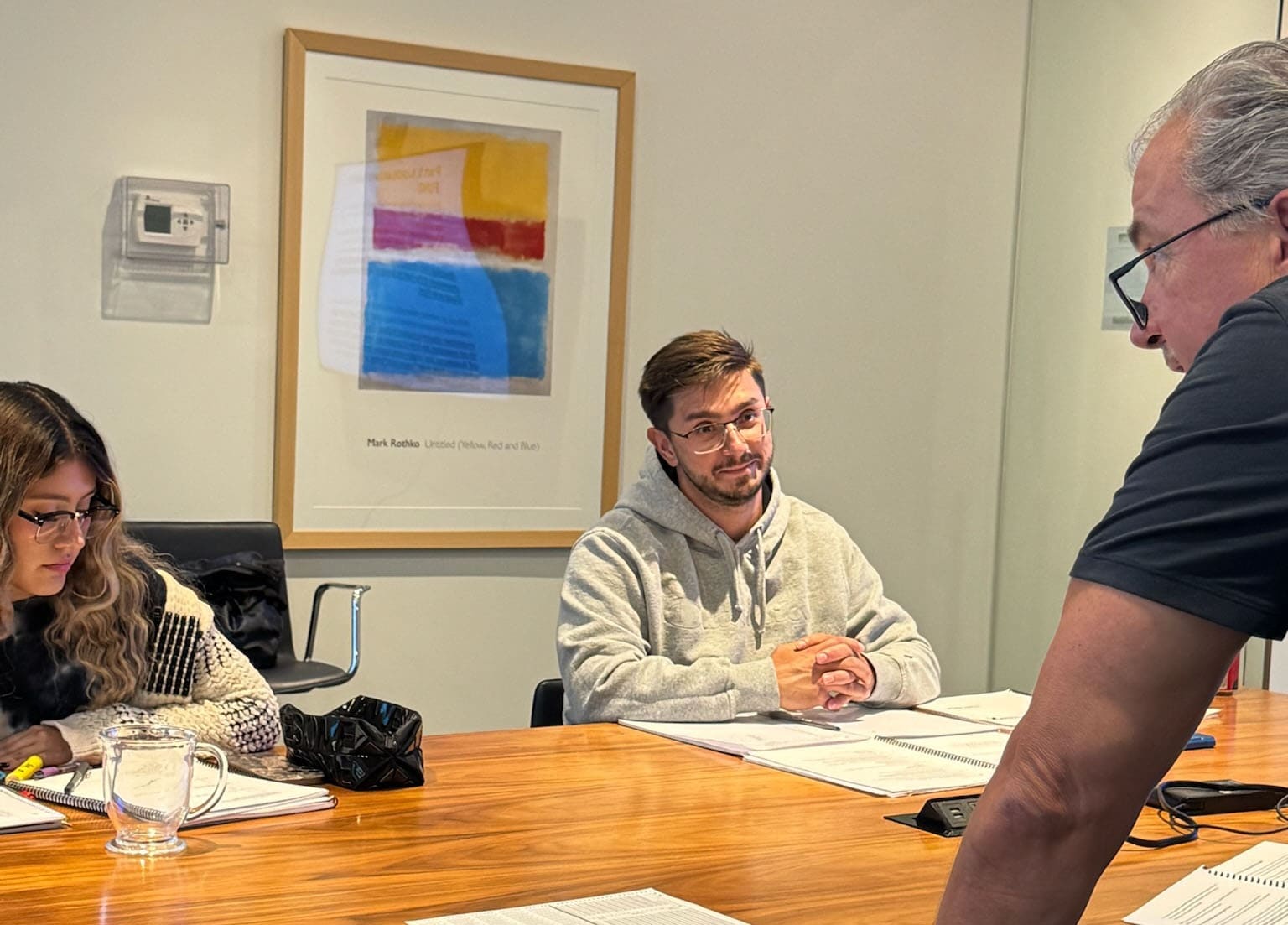
Public adjusters typically earn between $75,000 and $100,000 annually, depending on experience and workload. Income varies significantly based on the type and volume of claims handled. Typically, public adjusting firms earn a commission of 10 percent of the adjusted claim settlement and individual Public Adjusting firms have their sales commission scales based off of this amount.
Commission structures vary based on firm policies. Certifications lead to better job opportunities and higher earnings. SPPA certification can justify higher service fees.
Public Adjuster Academy Classes to Pass Your Exam
Attending a public adjuster academy class is highly beneficial for exam preparation. Schools like Public Adjuster Academy X offer courses covering insurance basics to real-world scenarios. Experienced public adjusters offer practical insights and knowledge.
These classes often include practice tests, increasing the likelihood of passing the Illinois public adjuster license exam on the first attempt.
Is Becoming a Public Adjuster Right for You?
Becoming a public adjuster requires hard work and specific skill development. Determination is also crucial in this journey. If you are adaptable, possess strong negotiation skills, and are detail-oriented, this career could be a great fit. Public adjusting offers an active lifestyle with the flexibility to work independently and face daily challenges.
The role often involves outdoor work, such as assessing damage to properties and vehicles. Certifications enhance credibility and negotiating power, making you more effective. Online certification programs make gaining these credentials more convenient.
If you thrive in dynamic environments and enjoy helping others, a career as a public adjuster could be highly rewarding.
Summary
In summary, becoming a public adjuster is a multifaceted journey that requires education, licensing, and continuous professional development. Public adjusters play a crucial role in ensuring fair compensation for policyholders, using their expertise to navigate the complex world of insurance claims. By obtaining the necessary education, gaining industry experience, and securing the required licenses and certifications, you can build a successful and rewarding career in this field.
If you are motivated by the prospect of helping others, enjoy solving problems, and are ready for a career that offers both challenges and rewards, becoming a public adjuster might be the perfect path for you. Take the first step today, and you could soon find yourself thriving in a profession that makes a tangible difference in people’s lives.
Frequently Asked Questions
How to become public adjuster?
To become a public adjuster in Illinois, you must first pass the Illinois Public Adjuster Examination administered by Pearson Vue. Then, complete the application process while securing the necessary documentation and undergoing a background check. Following these steps will lead you to obtaining your public adjuster license.
What are the basic educational requirements for becoming a public adjuster?
To become a public adjuster, a high school diploma is the minimum requirement, with additional education in finance, business, or communications being advantageous. Pursuing further studies can enhance your qualifications in this field.
Do I need to take a licensing exam to become a public adjuster?
Yes, you are generally required to pass a state licensing exam to become a public adjuster in most states, including Illinois.
What is the role of a surety bond in the licensing process?
A surety bond is essential in the licensing process as it demonstrates financial responsibility, protects clients, and upholds industry integrity. Without it, obtaining a license may be problematic.
How often do public adjusters need to renew their licenses?
Public adjusters in Illinois must renew their licenses every two years on the last day of their birth month. This ensures that they remain compliant with state regulations.

Ready To Jumpstart Your Public Adjusting Career?

Great experience, great school, and great teacher! Learned a lot from Del and I highly recommend anyone wanting become a public adjuster to come to his class!
Learn how to get more job opportunities and insider trade tips that we only share with our newsletter subscribers.
